Bimini Snorkeling
Planning Guide

Bimini Snorkeling Trip

Bimini offers snorkeling conditions shaped by shallow banks, warm Gulf Stream currents, and accessible reef formations minutes from shore. This guide walks through site selection, timing, and the logistics that determine visibility and marine encounters.

8 min read Updated 2026-09-30 Fact-checked
Bimini Snorkeling Trip

Quick answer

Morning departure between 08:00 and 12:00 delivers the calmest water and peak visibility for a Bimini snorkeling trip. Public beaches are free to access year-round, though reef excursions and guided tours charge separate fees. Wind patterns shift after midday, reducing clarity and increasing chop across the shallow flats where most sites lie.

Bimini sits atop a limestone platform barely twenty feet deep in most places, bordered by coral gardens that thrive in water warm enough to snorkel without a wetsuit nine months of the year. The island's western shore faces the Florida Straits, where visibility exceeds eighty feet on calm mornings, while the eastern flats shelter nurse sharks, southern stingrays, and dense schools of yellowtail snapper. Unlike deeper Caribbean sites, Bimini's reefs lie close enough to shore that snorkelers reach productive zones within a ten-minute swim or a brief boat ride, making half-day excursions the standard format. Tide and wind govern every snorkel outing here. Low tide exposes the sand flats and concentrates marine life along the reef edge, while high tide opens routes across the shallows but stirs sediment that clouds the water column. Tour operators schedule departures to coincide with slack tide, the thirty-minute window when current slows and particulate matter settles. Afternoon wind builds predictably from the southeast, transforming glassy morning conditions into textured chop that scatters light and reduces underwater visibility by half. Most snorkeling happens along three zones: the nearshore gardens off Radio Beach, the patch reefs surrounding the concrete ship remains, and the deeper coral heads at Victory Cay. Each site hosts distinct communities—octopus and spiny lobster occupy the wreck structure, elkhorn coral dominates the patch reefs, and pelagic species like barracuda patrol the drop-off at Victory. Guides rotate sites based on daily wind direction, choosing lee shores where wave action stays minimal. Independent snorkelers favor Radio Beach for its protected entry point and the lack of boat traffic. Seasonality matters less than daily weather. Water temperature holds above seventy-six degrees year-round, warm enough for extended immersion without thermal protection. Summer months bring afternoon thunderstorms that pass quickly but cancel morning tours when lightning remains within range. Winter delivers the clearest water but occasional cold fronts that churn the shallows and drop air temperatures enough to make post-snorkel boat rides uncomfortable. Operators monitor forecasts closely and shift schedules rather than run trips in marginal conditions, prioritizing the two-hour window after sunrise when light penetration and animal activity align.

“Bimini's reefs lie close enough to shore that snorkelers reach productive zones within a ten-minute swim or a brief boat ride.”
Timing

Best Time for a Bimini Snorkeling Trip

The best arrival window for snorkeling in Bimini is 08:00–12:00, as morning hours offer the calmest water and optimal visibility. Planning your trip during these hours ensures more favorable surface conditions before afternoon winds increase.

Mid-March to May

Moderate to high

Warm, 75°F–82°F. Ideal water clarity for marine life spotting.

June to August

High

Hot, 80°F–88°F. Calm seas, though hurricane season risks exist.

September to November

Low

Mild, 75°F–84°F. Fewer visitors and pleasant water temperatures.

Weekday mornings

Low

—

Minimized boat traffic leads to clearer water and quieter reef environments.

Verdict: For the best experience, aim for weekday mornings during April or October to benefit from calm waters and lower visitor density.

Prices

Costs and Fees for a Bimini Snorkeling Trip

Access to public island beaches in Bimini is free for all visitors. Any snorkeling excursions or guided boat trips require separate booking fees managed by private operators.

Public beach access Free for all visitors
0 USD
Snorkeling tour operators Prices depend on specific tour provider selection
Variable
Public island beaches remain free to access at all times for everyone.

Verdict: While beach access is 0 USD, the total cost of your trip depends on the snorkeling excursion package selected through private providers.

Opening hours

Operating Hours for Your Bimini Snorkeling Trip

Bimini remains accessible at all times, allowing visitors to plan their snorkeling excursions according to their own schedules.

Monday
00:00–23:59
Tuesday
00:00–23:59
Wednesday
00:00–23:59
Thursday
00:00–23:59
Friday
00:00–23:59
Saturday
00:00–23:59
Sunday
00:00–23:59
There is no specific last-entry time as the island is open throughout the day and night.
Directions

Planning Arrival for Your Bimini Snorkeling Trip

Bimini is located in the westernmost district of The Bahamas. Visitors typically reach the island via international flights to South Bimini Airport (BIM) or by high-speed ferry from Fort Lauderdale.

Boat 2 hours —

Ferry from Port Everglades to Bimini

Plane 30 min —

Direct flight to South Bimini Airport

Taxi 10 min —

Ground transport from airport to ferry dock

Plan your arrival for 08:00–12:00 to ensure you have sufficient time to settle in before beginning your snorkeling excursion. Morning hours offer the calmest water and optimal visibility for snorkeling.

What to see

Notable Locations for a Bimini Snorkeling Trip

Bimini offers distinct underwater environments ranging from shallow reefs to historical structures. Each location provides different opportunities to observe marine life and coral formations.

Sapona Shipwreck

Sapona Shipwreck

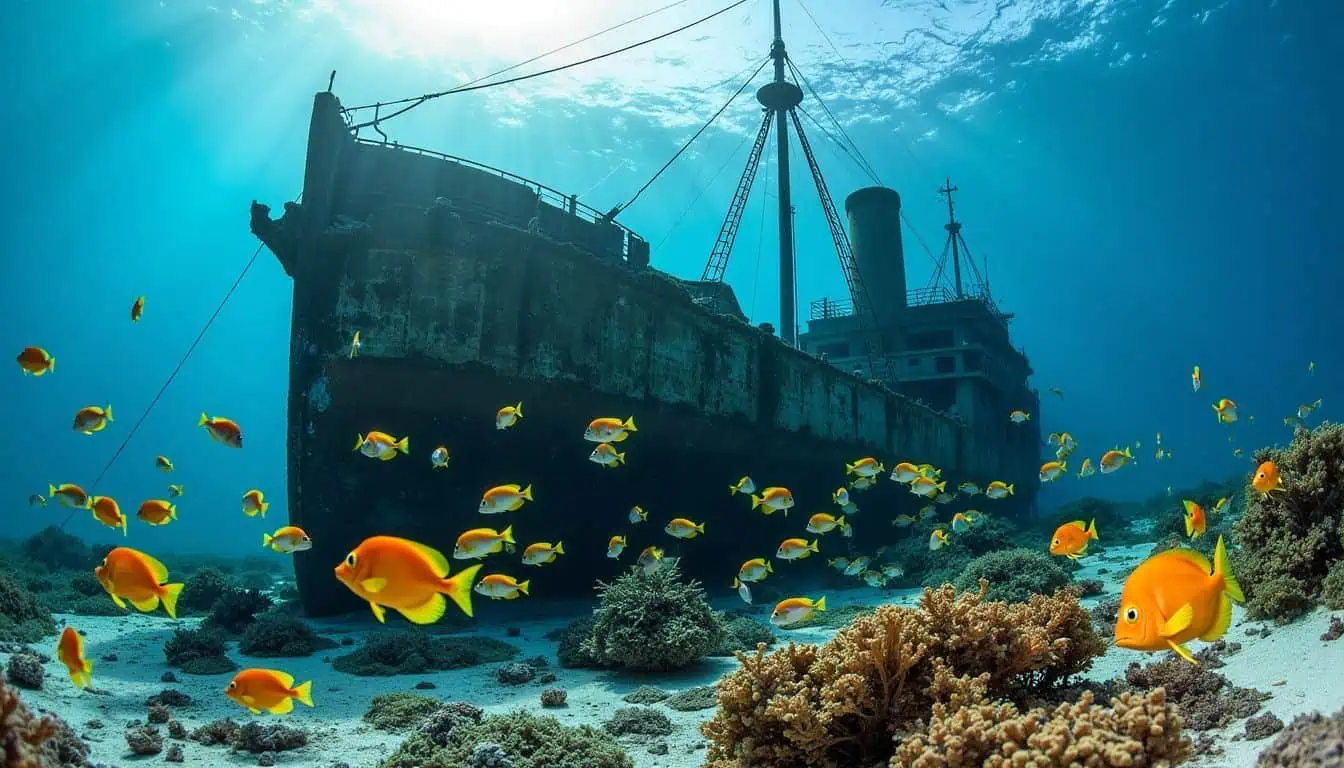
This concrete ship remains partially submerged in shallow water, serving as an artificial reef for tropical fish. It is a frequent site for snorkeling due to its historical significance and ease of access.

Swim around the hull during low tide for better visibility.
Turtle Rocks

Turtle Rocks

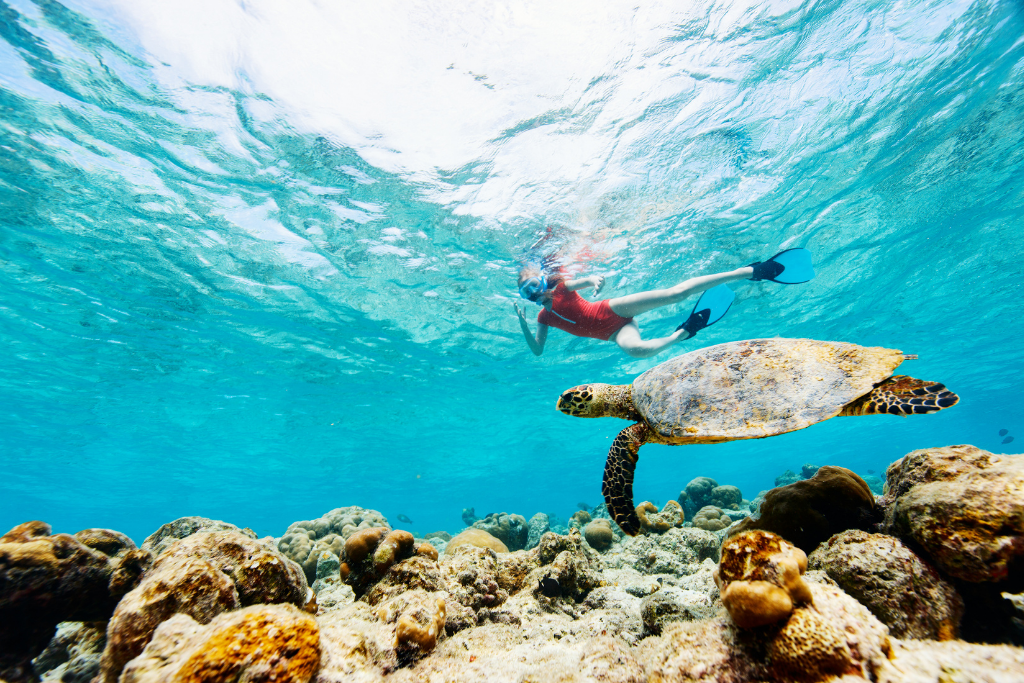
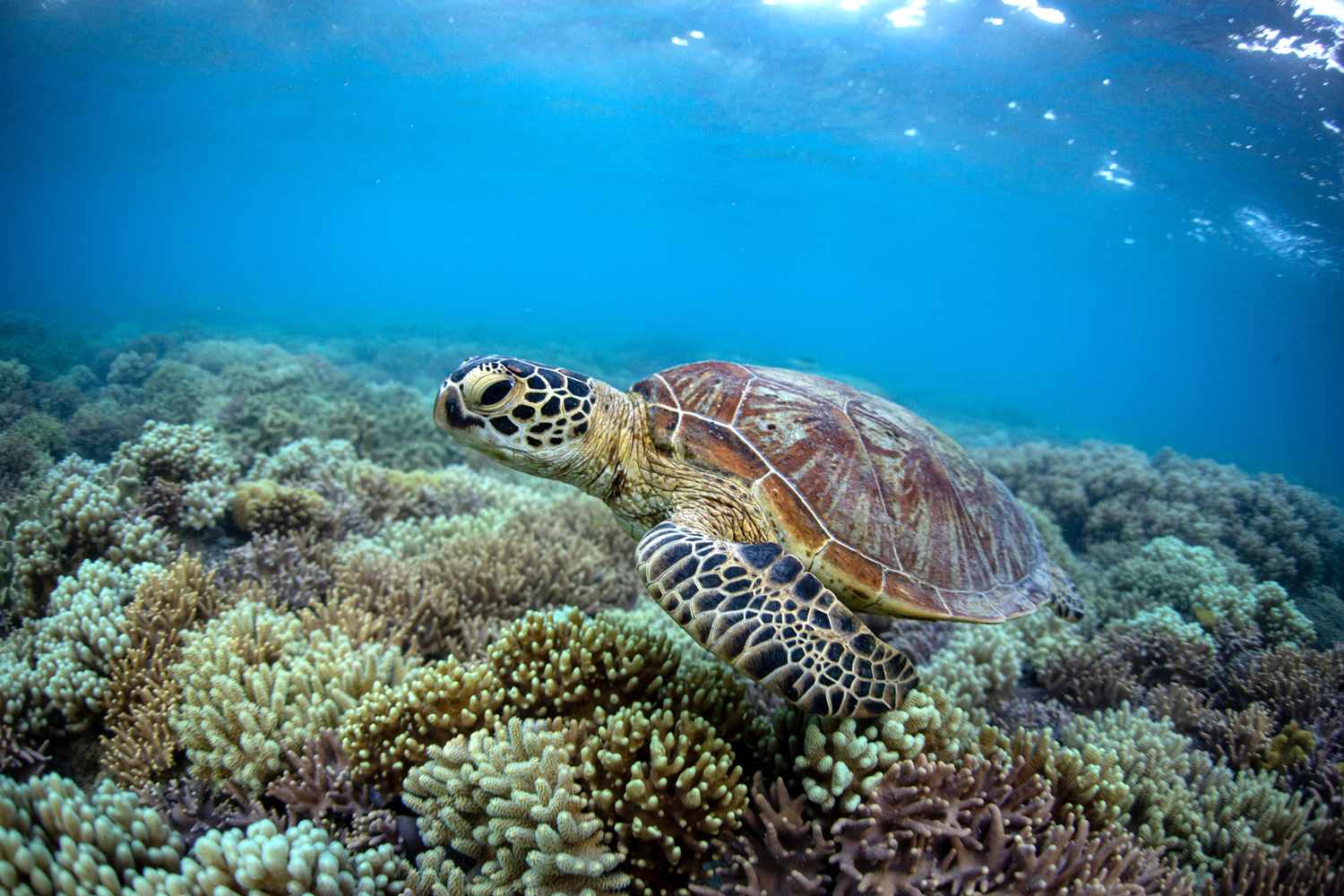
These coral formations consist of a series of reefs located in shallow, clear water. They are known for frequent sightings of sea turtles and various Caribbean reef species.

Look under the coral ledges to spot resting sea turtles.

Honeymoon Harbour

Honeymoon Harbour

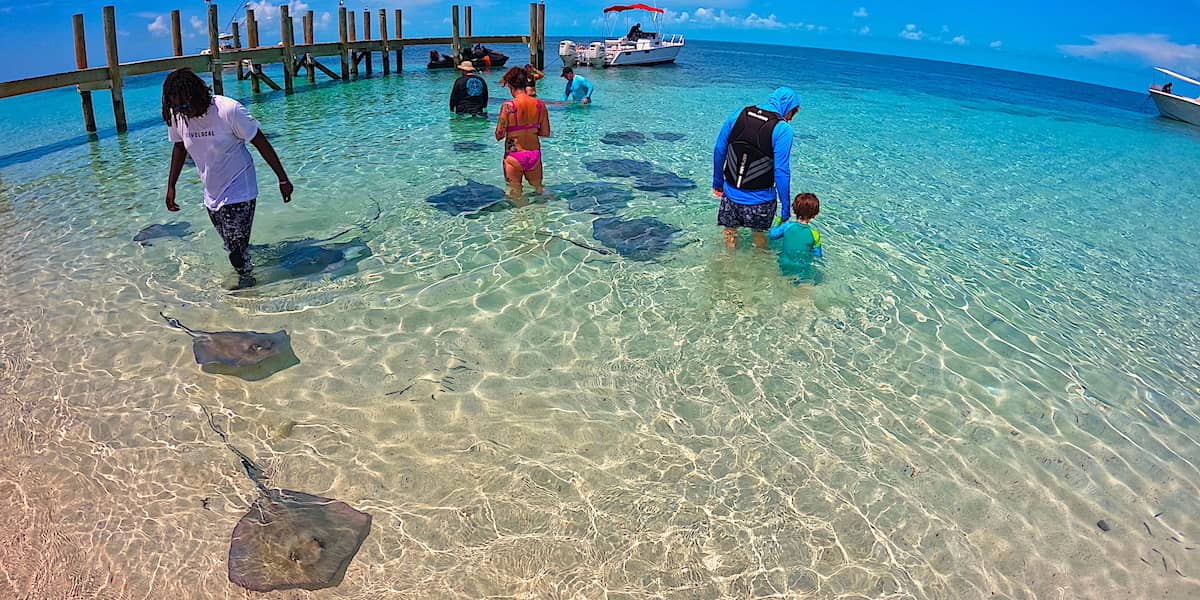
This beach area is known for shallow waters where southern stingrays often congregate. It allows for observation of these marine animals in their natural sandy habitat.

Wade slowly and observe the rays from a respectful distance.

Rainbow Reef

Rainbow Reef

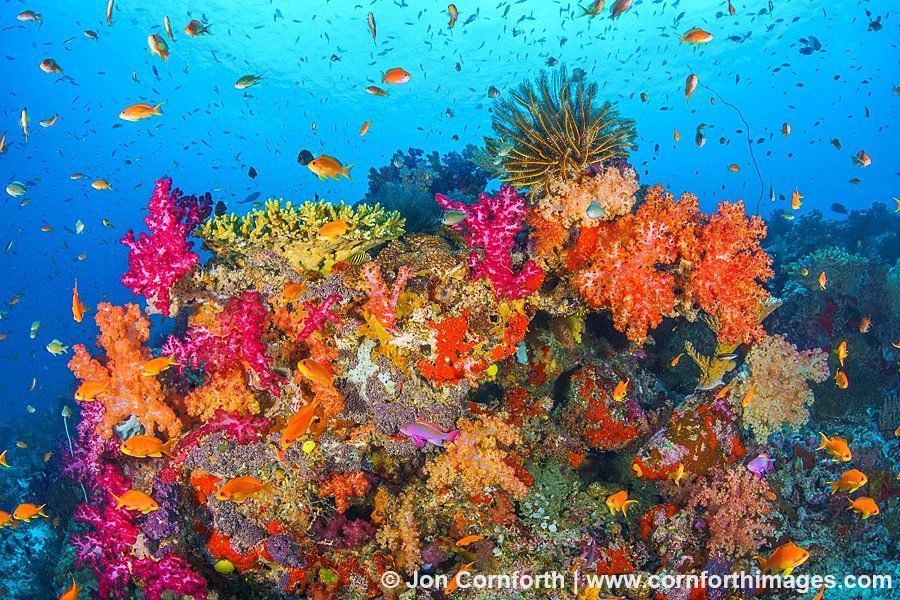
A shallow, vibrant reef system that supports a high density of fish and coral diversity. The relatively shallow depth makes it suitable for extended observation.

Focus on the varied coral structures to find smaller reef inhabitants.

Checklist

Preparation Checklist for a Bimini Snorkeling Trip

Prepare these essentials before your trip to ensure smooth entry and safe snorkeling.

Book

Check availability

Frequently asked

Frequently Asked Questions About Bimini Snorkeling

Everything you need to know about bimini snorkeling trip

What should I know before booking a bimini snorkeling trip?

Preparation for your excursion involves checking weather conditions and coordinating with local operators who manage boat departures. A well-planned bimini snorkeling trip ensures you reach the most vibrant coral reefs and marine habitats safely.

Are there entrance fees for a bimini snorkeling trip?

Access to public island beaches is 0 USD, meaning there is no charge to set foot on the sand. However, please note that any organized bimini snorkeling trip will charge separate fees for boat transport and equipment rental.

What is the best time of day for a bimini snorkeling excursion?

The best arrival window for snorkeling is 08:00–12:00, as morning hours offer the calmest water and optimal visibility. Planning your bimini snorkeling trip during this time frame significantly improves your chances of spotting diverse marine life.

Can I bring children on a bimini snorkeling trip?

Children are generally welcome to join if they are comfortable in the water and can use the provided equipment. Always confirm age requirements with your chosen tour operator when booking your bimini snorkeling trip to ensure the experience is suitable for your family.

What gear is typically included in a guided Bahamas reef tour?

Most guided reef tours provide masks, snorkels, and fins as part of the service. Some operators may also supply life vests or flotation devices to assist swimmers during their underwater marine life observation.

Do I need to be an expert swimmer for underwater sightseeing in Bimini?

You do not need to be an expert swimmer, but basic water confidence is important for navigating the clear Atlantic waters. Guided tours often provide instruction, making an underwater excursion accessible for various skill levels.

Are snorkeling sites in Bimini open daily?

Yes, the island remains accessible throughout the week, with visiting opportunities available from monday through sunday. While beach access is unrestricted, specific guided tour schedules for your bimini snorkeling trip depend on individual operator availability.

Keep reading

More guides & pages