3 hr
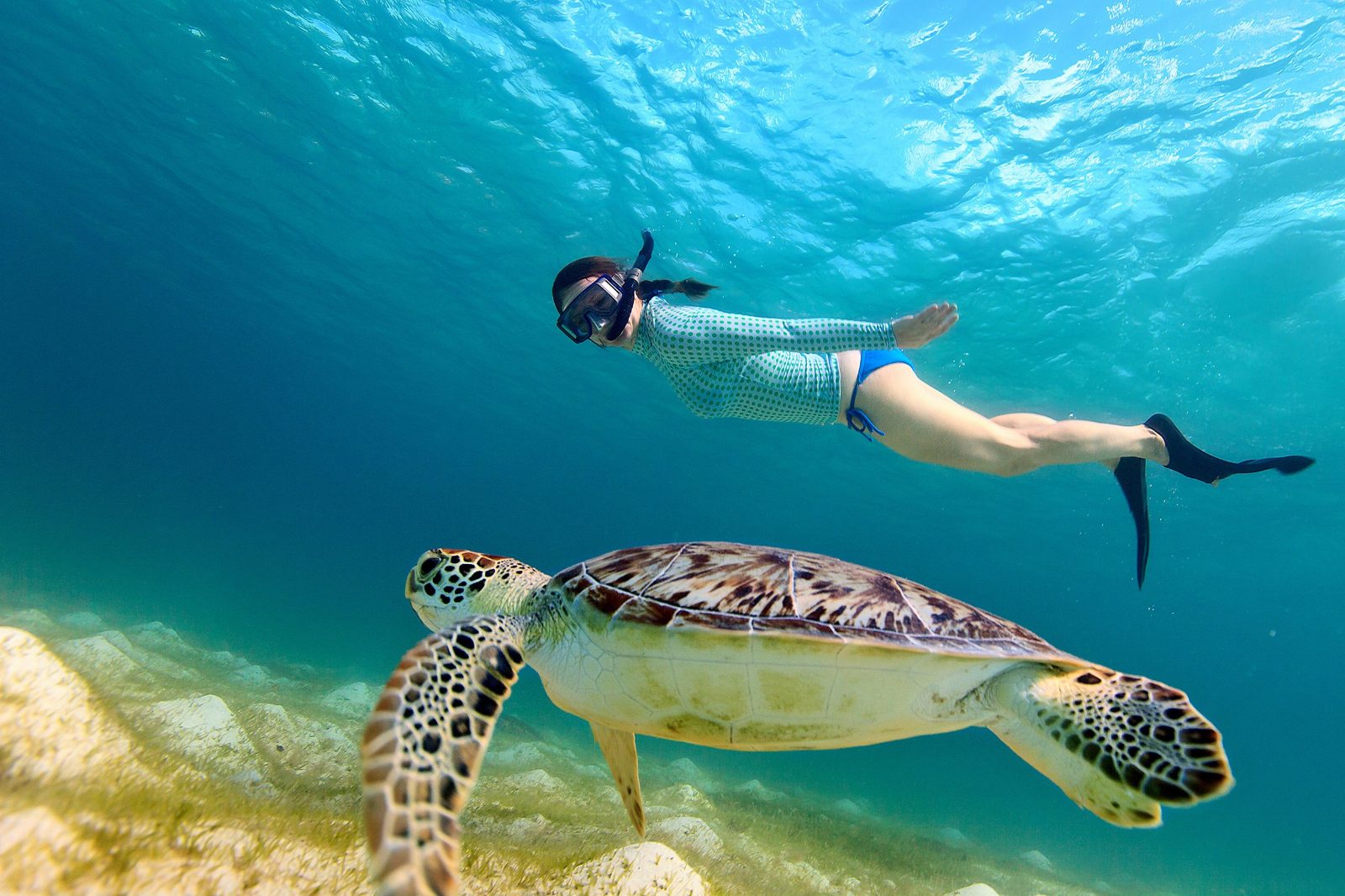
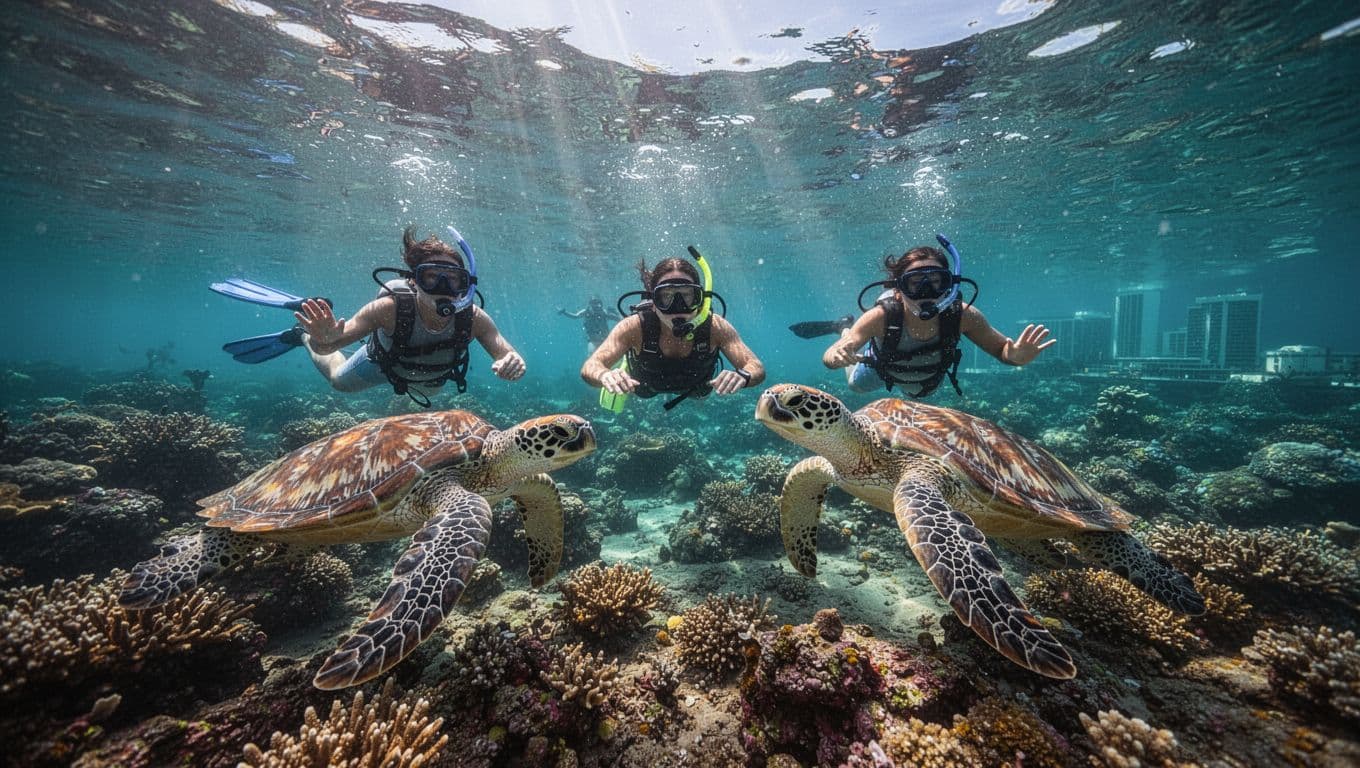
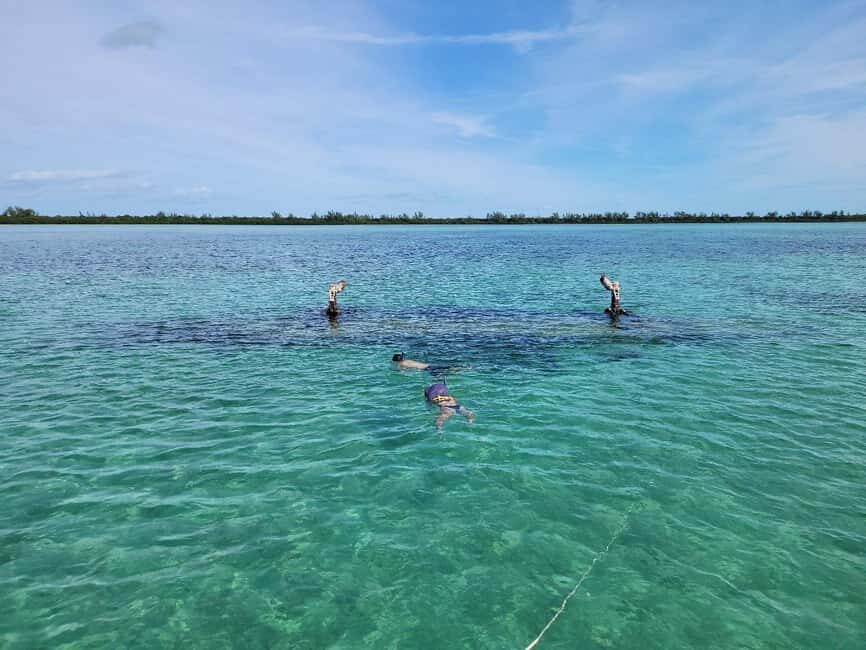
Bimini 4-Stop Snorkeling Adventure with Sharks & Shipwrecks
Swim with reef sharks, explore historic wrecks, and meet stingrays on this action-packed ocean expedition.
Reserve
Warm shallows and sunken wrecks, fifty miles from Florida's coast
Hand-picked by our editors — only the best 12 excursions from 47 reviewed.
Verified partners for Bimini Snorkeling tours, free cancellation where available, and instant confirmation on every booking.
3 hr
Swim with reef sharks, explore historic wrecks, and meet stingrays on this action-packed ocean expedition.
Reserve
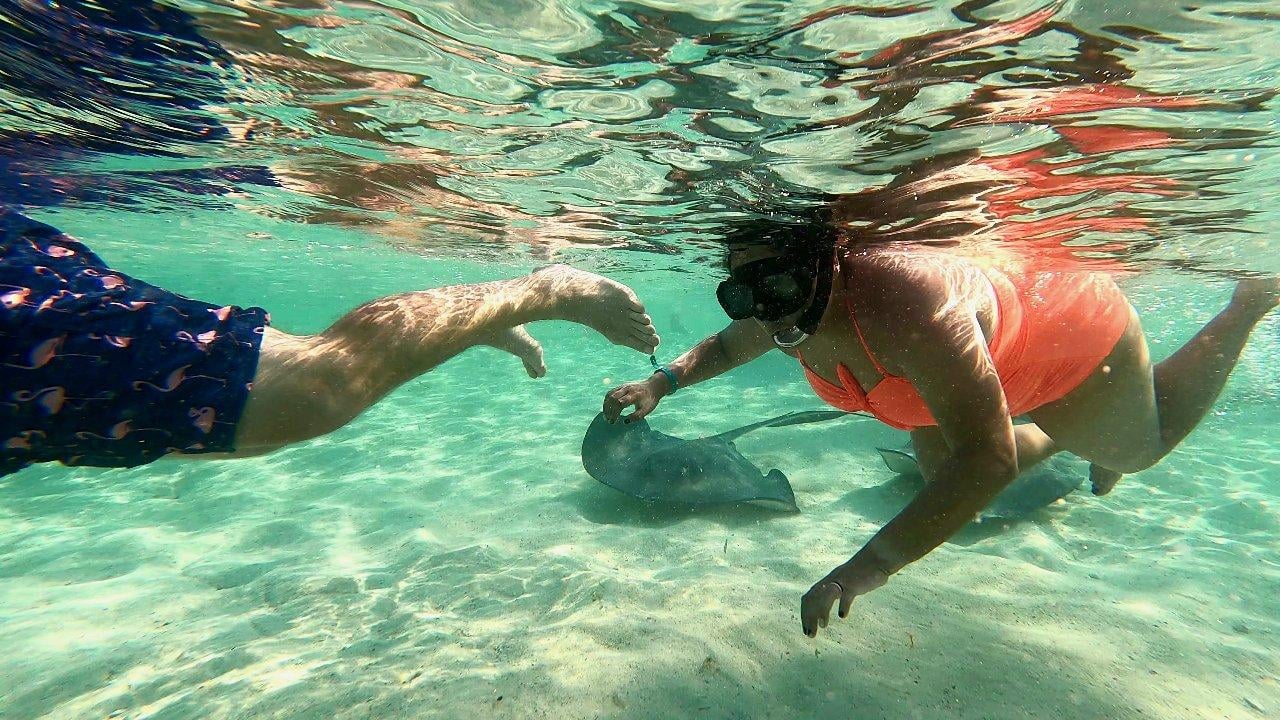
15 hr
Sail from Florida to paradise: choose between laid-back Bimini or adventure-packed Grand Bahama
Reserve
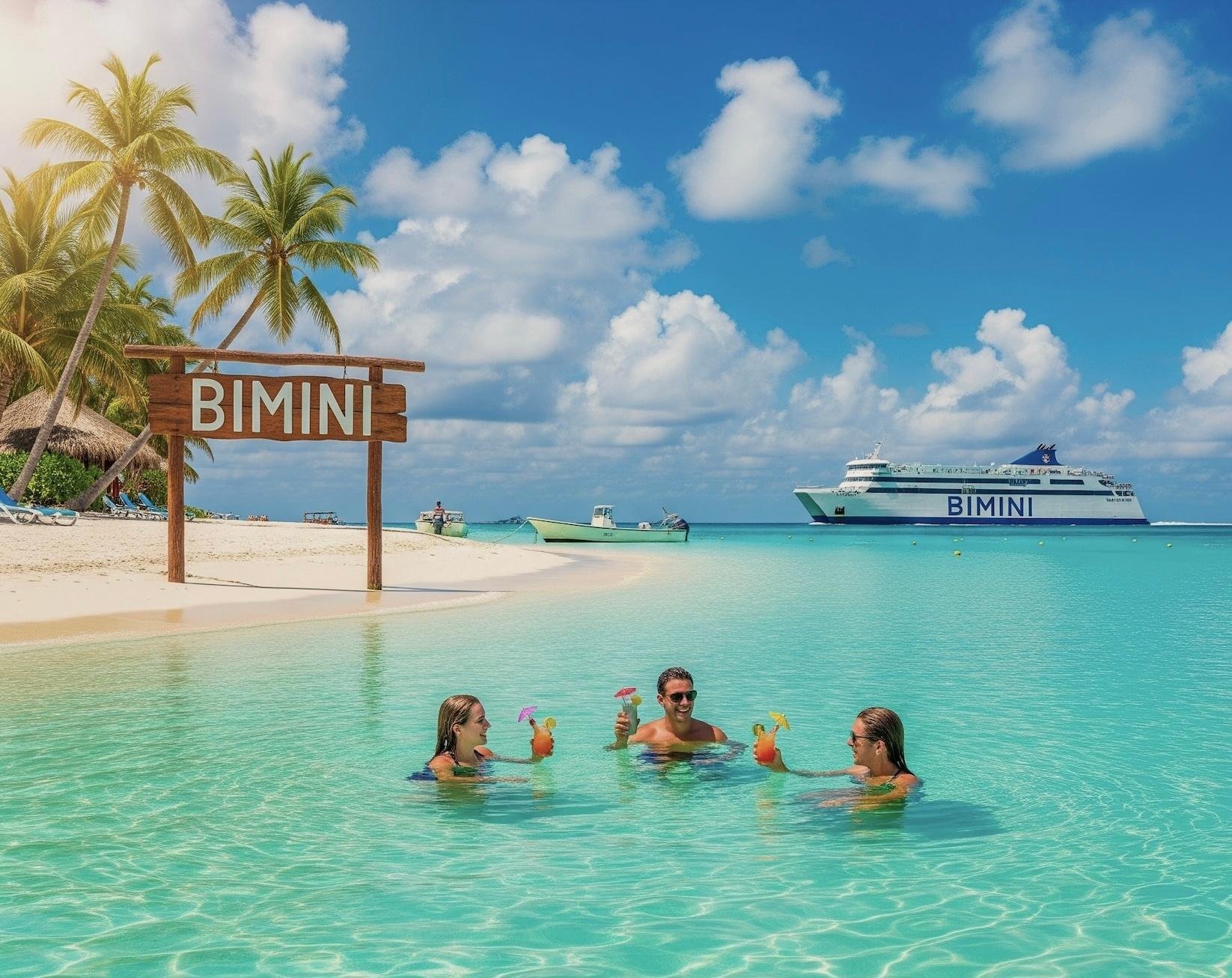
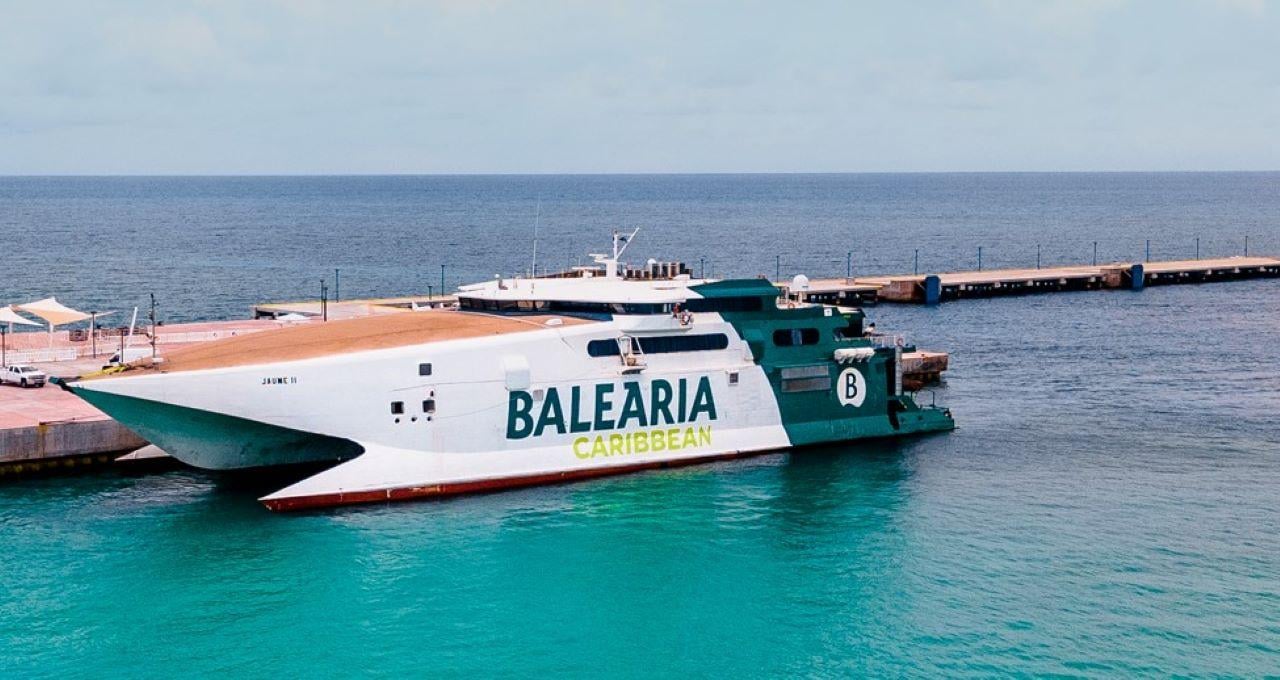
16 hr
Fast ferry to the Bahamas for a full day of beach time, water sports, and island exploration
ReservePrices from verified partners. Availability updates in real time at checkout. Free cancellation policies apply where shown.
Bimini Snorkeling tours depart from multiple cities — pick the one closest to where you're staying.
Tours departing from Miami include round-trip transfers in an air-conditioned vehicle, bilingual guides, and the option of pickup from a common meeting point or directly from your hotel.
Tours departing from Fort Lauderdale include round-trip transfers in an air-conditioned vehicle, bilingual guides, and the option of pickup from a common meeting point or directly from your hotel.
Every Bimini Snorkeling tour side-by-side — duration, what's included, how you redeem.
| Experience | From | Duration | Rating | Skip-the-line | Guide | Free cancel. | Price | |
|---|---|---|---|---|---|---|---|---|
|
Standard Entry Most popular
Bimini 4-Stop Snorkeling Adventure with Sharks & Shipwrecks
|
— | 3 hr | ★ 4.5 | — | ✓ | ✓ | €154 | Book → |
|
Guided Experience
Bahamas Island Day Trip by Ferry from Miami
|
Miami | 15 hr | ★ 4.5 | ✓ | ✓ | ✓ | €250 | Book → |
|
Guided Experience
Bimini Island Day Trip by Ferry from Fort Lauderdale
|
Fort Lauderdale | 16 hr | ★ 4.3 | ✓ | ✓ | ✓ | €264 | Book → |
All prices from verified partners. Availability and exact terms confirmed at checkout.
These experiences complement each other, though most visitors who do both call Wild Dolphin Encounters the more thrilling, while bimini snorkeling tours offer a more relaxed pace. Choosing between them depends on whether you prefer observing static coral reefs or engaging directly with mobile marine life.
| Feature | Top pick Bimini Snorkeling | Wild Dolphin Encounters |
|---|---|---|
Primary Focus |
Reef and shipwreck observation | |
Equipment Intensity |
Low - mask and fins | |
Physical Exertion |
Low to moderate | |
Wildlife Interaction Level |
Passive observation | |
Suitable Skill Level |
Beginner to advanced | |
Marine Environment |
Coastal shallow waters | |
| See tickets → |
Verdict: Select a bimini snorkeling tour for calm exploration of submerged wreckage, or choose wild dolphin encounters if you seek an active, semi-pelagic wildlife swimming experience.
Choose your ticket, select your date, and reserve in under two minutes. Secure checkout handled by our verified partner.
Instant confirmation by email, with a mobile voucher you can save offline. No printing, no queuing at a collection desk.
Arrive at the entrance, show your voucher on your phone, and walk in. Most tickets include priority or skip-the-line access.
Practical details for Bimini Snorkeling tickets straight from our verified partners — hours, access, rules, and how to get there.
North Bimini
Common departure for bimini snorkeling tours
Open in Google MapsTaxis are available throughout the islands for transport to docks
Wear swimwear and protective rash guards to prevent sunburn during your bimini snorkeling excursion. Water shoes are recommended for walking on rocky surfaces near the shoreline.
Keep valuables in waterproof dry bags during any bimini snorkeling tour. Secure all personal items on the vessel as there are no storage lockers at the public reefs.
Underwater cameras or GoPros are encouraged for capturing marine life during bimini snorkeling. Avoid using flash photography which can startle reef inhabitants.
Access to snorkeling sites requires boarding small boats from docks. Individuals with limited mobility should coordinate with specific bimini snorkeling tour operators to confirm vessel equipment.
Use waterproof housing for mobile phones to prevent water damage. Reception can be inconsistent in remote reef areas.
Children are welcome on many bimini snorkeling tours provided they are proficient swimmers. Always verify age requirements with the operator before booking.
Most bimini snorkeling tickets include water and light snacks on board. Plan to bring additional hydration if you are staying on the water for several hours.
Pets are generally not permitted on shared boat charters. Private boat rentals may have different policies regarding animal passengers.
Ensure you follow local reef protection guidelines by not touching coral or wildlife. Bimini snorkeling relies on the health of these ecosystems for ongoing tourism.
Best time to go, insider tips, nearby landmarks, and the cancellation fine print — flip through to skim what matters to you.
How crowds, weather, and events shift across the year.
March to May offers pleasant temperatures and lower wind speeds. This is the optimal window for clear bimini snorkeling conditions. Summer
Small details that turn a good visit into a great one.
Always monitor wind speeds before your bimini snorkeling tour, as high winds reduce visibility. Morning sessions are generally calmer. Use Reef-Safe Sunscreen
Non-bookable sights within a short walk — free to visit, easy to pair.
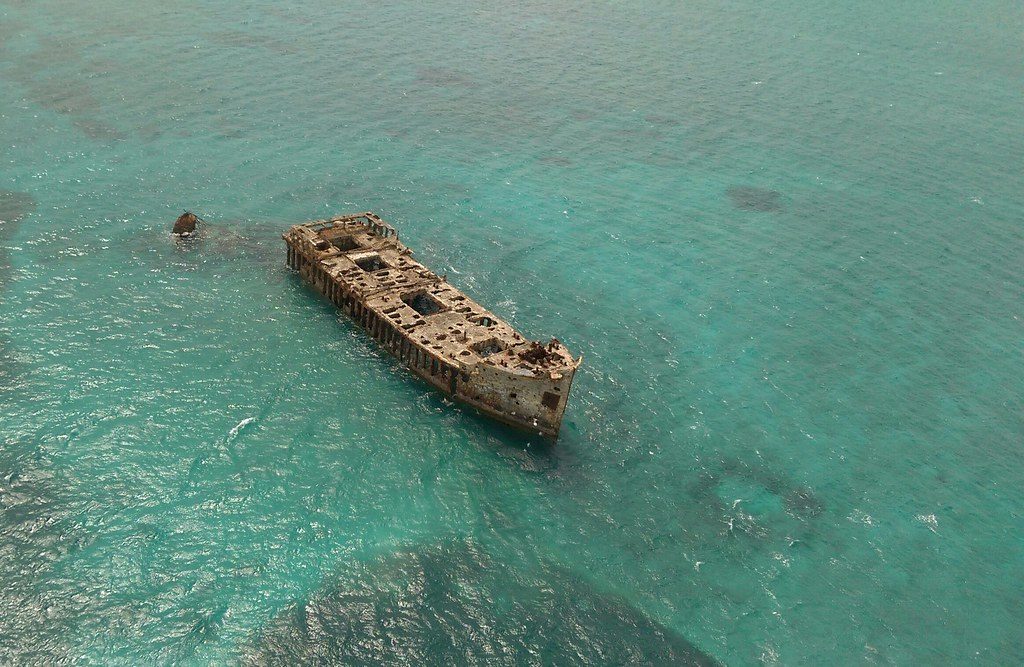
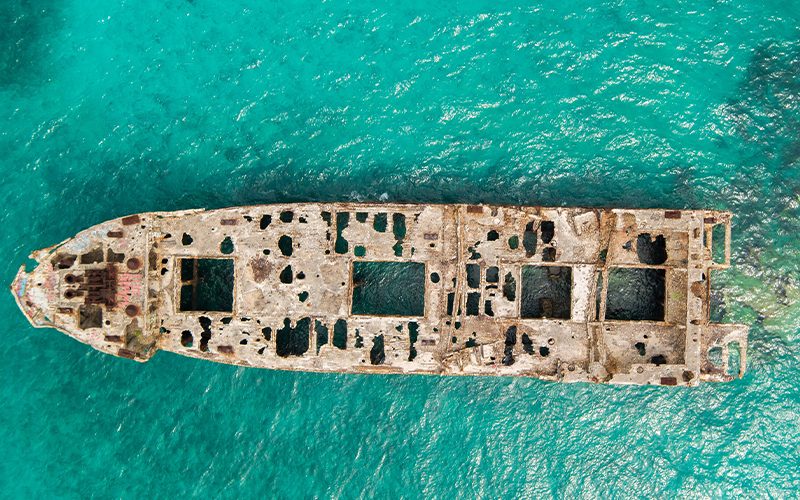
A historic concrete ship wreck visible in shallow waters
Flexible, no hidden fees.
Bimini snorkeling tours typically require cancellations 24 to 48 hours in advance for a full refund. Operators charge separate excursion fees regardless of the 0 USD public access cost.
Hand-picked options within walking distance — pick a district for vibe, or a specific hotel for convenience.
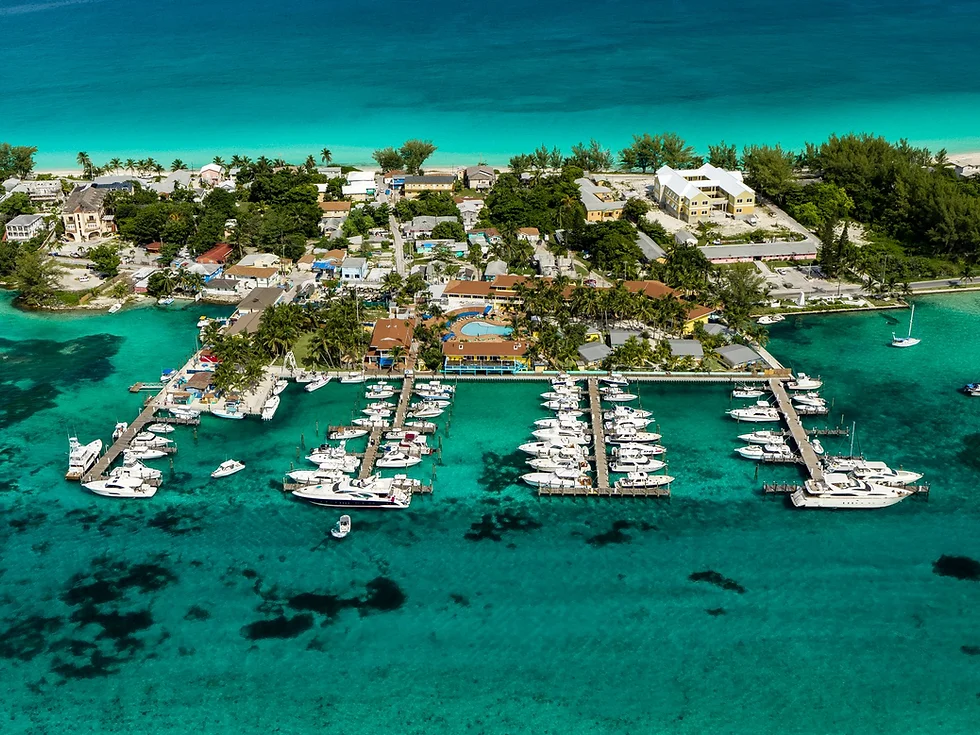
Large resort complex with private marina facilities
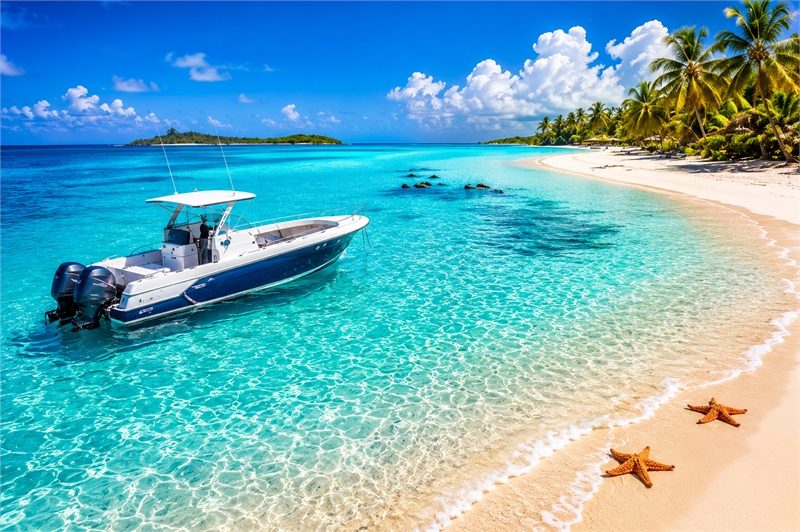
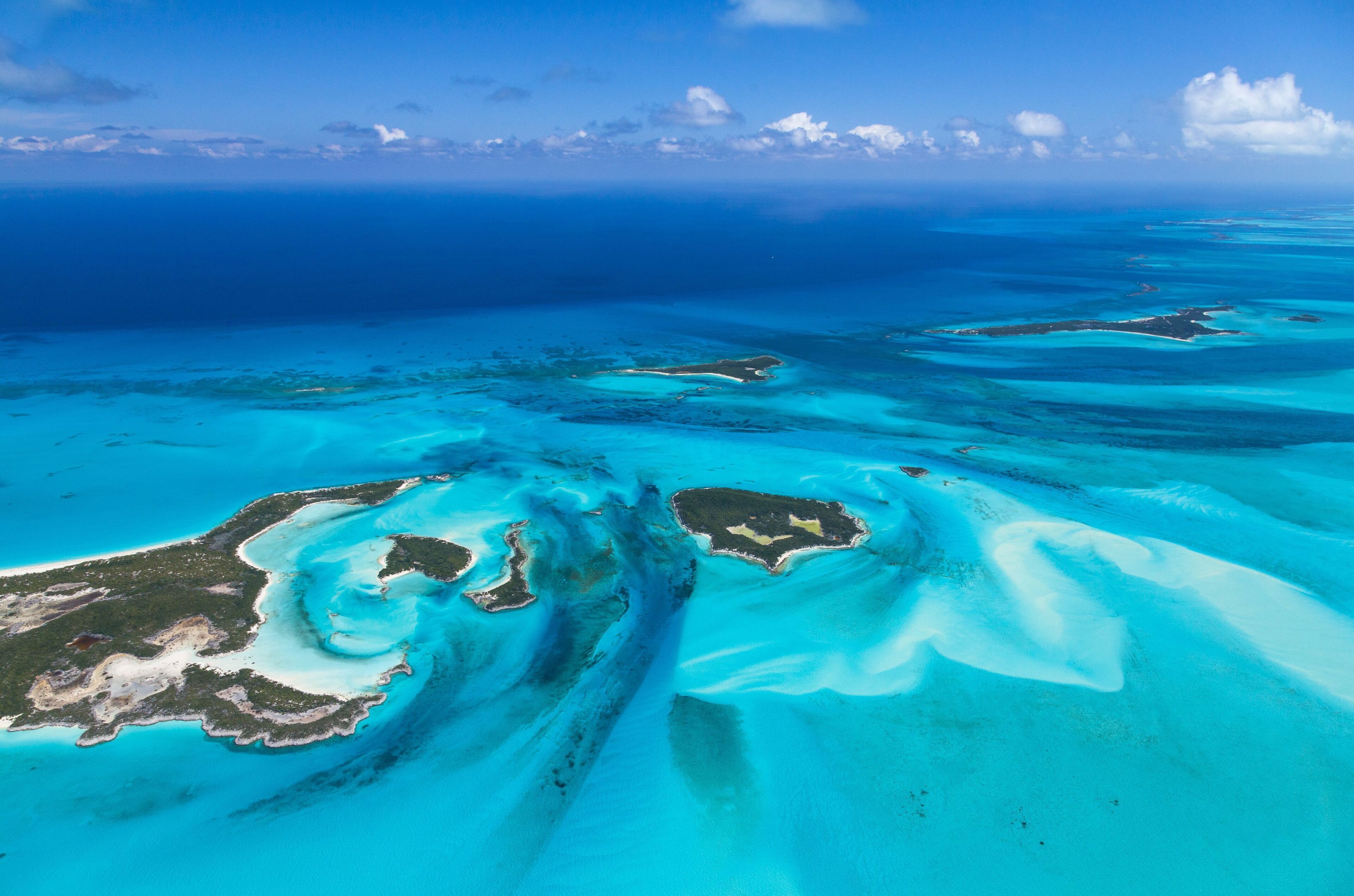
The Bahamas' westernmost islands sit in water so shallow that coral formations rise within arm's reach of the surface, and shipwrecks from the rum-running era lie tilted in sand channels twenty feet down.
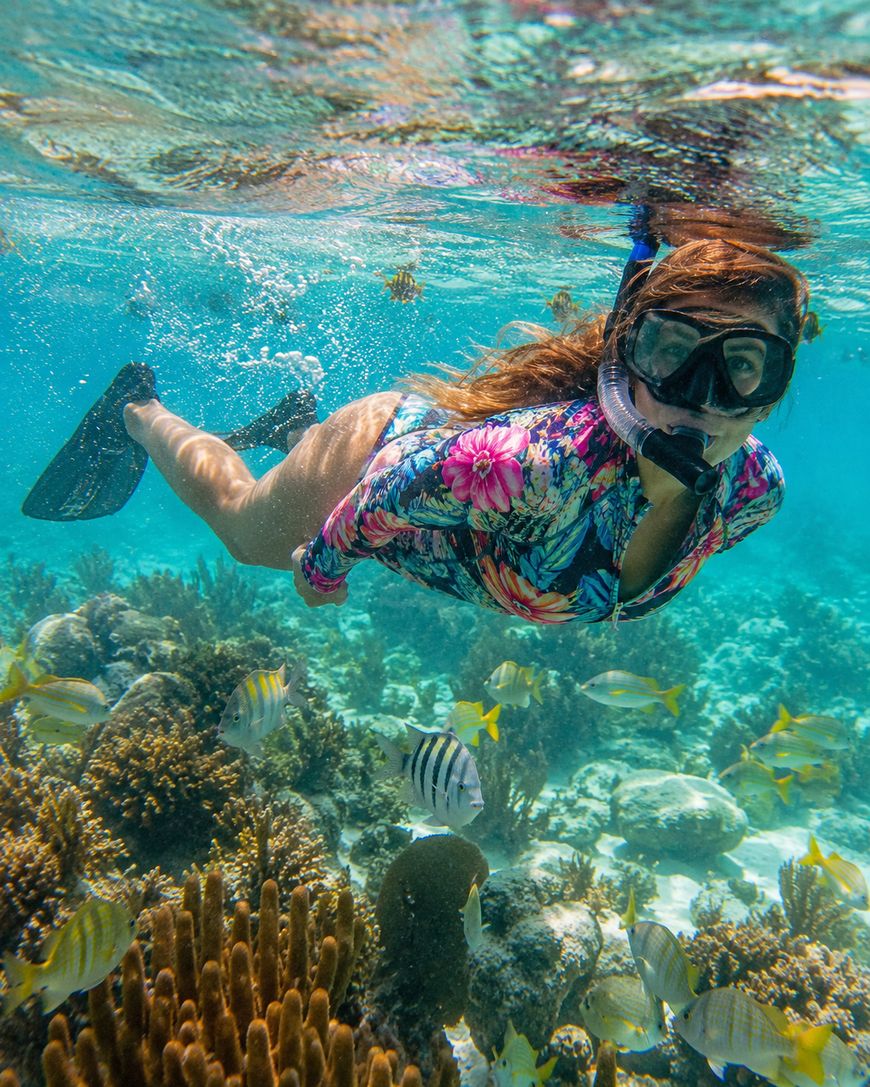
Bimini's position on the edge of the Gulf Stream brings nutrient-rich currents that sustain dense populations of reef fish, nurse sharks, and southern stingrays, making underwater visibility reliably clear even during summer months when plankton blooms cloud reefs elsewhere in the Caribbean.
The SS Sapona, a concrete-hulled cargo ship that ran aground in 1926, remains the most photographed dive site in the archipelago. Its fractured stern rises above the waterline south of South Bimini, creating artificial reef habitat colonized by elkhorn coral, schooling yellowtail snapper, and Atlantic spadefish. Guided bimini snorkeling tours typically anchor within the protected leeward side, where depth rarely exceeds twelve feet and current remains negligible. The wreck's interior compartments, though accessible to free divers, are not recommended for snorkelers due to entanglement risk from fishing line and rebar protrusions.
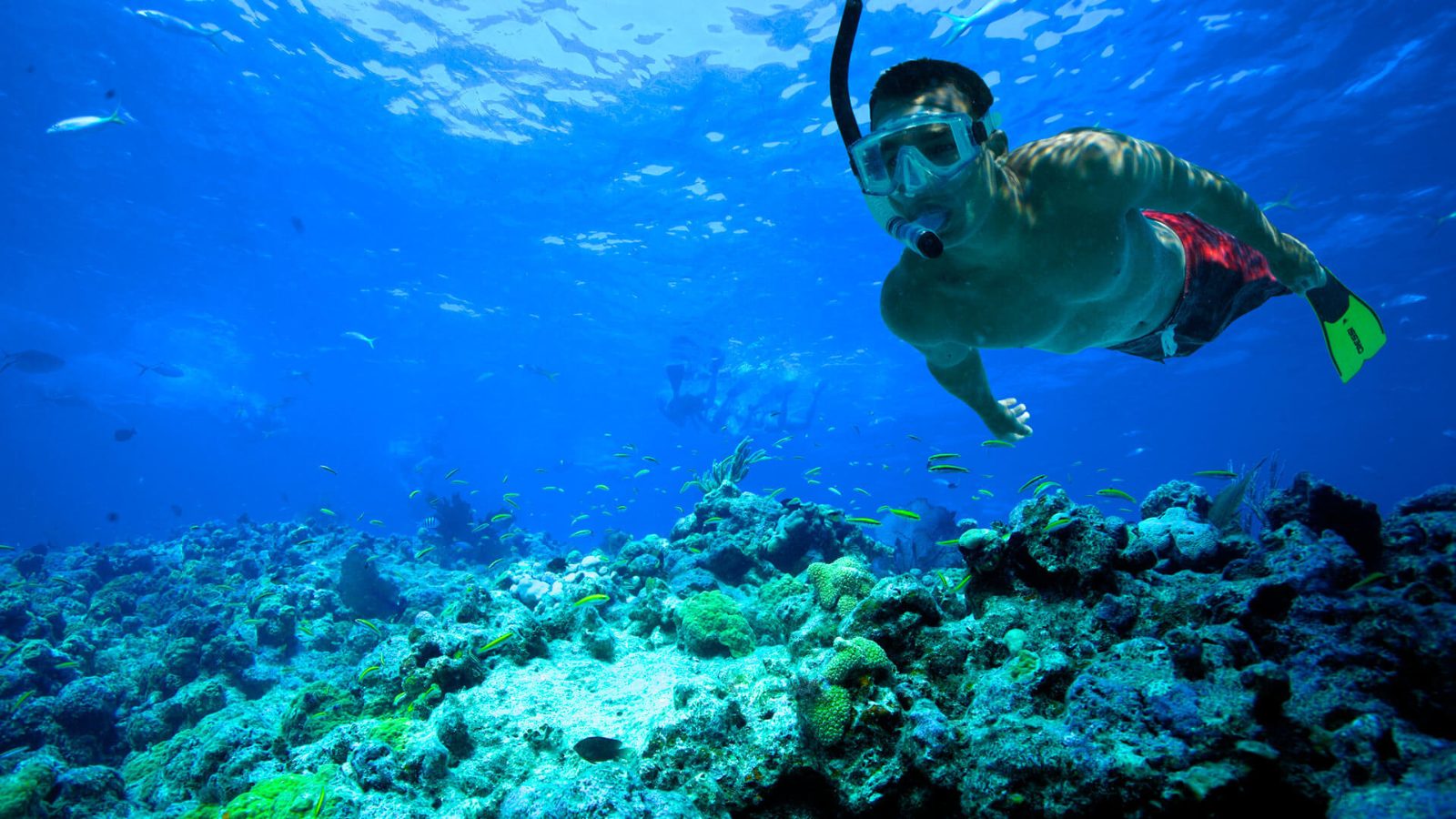
North of the main settlement, the Three Sisters rock formations mark the start of a continuous shallow reef system extending northeast toward the uninhabited cays. This zone, accessible from shore at low tide, supports stands of staghorn coral and brain coral that predate the 2017 hurricane season. Juvenile lemon sharks frequent the mangrove fringes during spring months, drawn by small fish aggregations in the tidal creeks. Local operators run half-day bimini snorkeling excursions to the offshore reefs near Victory Cay, where depth increases to thirty feet and pelagic species—bar jacks, crevalle jacks, occasional blacktip reef sharks—patrol the drop-off.
Bimini's underwater topography reflects its limestone foundation, eroded over millennia into caves, blue holes, and undercut ledges. The Healing Hole, a inland tidal spring near East Bimini, offers brackish snorkeling in water dense with dissolved minerals; local tradition attributes restorative properties to immersion, though scientific analysis identifies only elevated lithium and sulfur concentrations. Most bimini snorkeling adventures avoid the spring in favor of marine sites with higher biodiversity. Water temperature holds steady between 78°F in winter and 84°F in late summer, eliminating the need for full wetsuits outside of extended dives.
"Shipwrecks from the rum-running era lie tilted in sand channels twenty feet down."
A step-by-step walkthrough of Bimini Snorkeling tickets — what you'll see, how long each stage takes, and the details that matter.
You board the outbound tender at 8:30 a.m., when the harbor water is still glass-flat and the sun angle low enough to illuminate the sandy bottom twelve feet below. The captain steers northeast, past the fuel dock and the rusted pilings of the old seaplane ramp, then opens the throttle once clear of the no-wake zone.
Fifteen minutes later, the boat slows at a mooring buoy anchored above the Sapona wreck. You pull on fins, adjust your mask, and roll backward into water so warm it feels like bathwater.
The wreck's concrete ribs loom below, encrusted with fire coral and purple sea fans swaying in the mild current. You descend along the anchor line, equalizing pressure in your ears, and drift over the deck where yellowtail snapper hold station in the shadow of a collapsed bulkhead. A nurse shark, six feet long, rests motionless in the sand beneath the starboard rail. You circle the stern, keeping your fins clear of the bottom to avoid stirring silt, and photograph the bow section where a school of sergeant majors swarms around a visiting diver releasing breadcrumbs.
After forty minutes, the guide signals ascent. You climb back aboard, peel off your gear, and accept a water bottle while the boat repositions to the shallow reef off Sandy Cay. This time you snorkel from the surface, gliding over brain coral heads and spotting a juvenile spotted eagle ray buried in the sand.
You can access public waters 00:00–23:59 daily. Most bimini snorkeling operators schedule their departures during daylight hours.
Public access is 0 USD, though bimini snorkeling tours charge separate excursion fees.
Visit between 08:00–14:00 for the best light and calmest water for your bimini snorkeling experience.
Yes, many family-friendly bimini snorkeling tours accommodate children, though you should confirm safety requirements with operators.
Bring reef-safe sunscreen, a towel, and a waterproof camera for your bimini snorkeling excursion.
Accessibility varies by vessel; please check with your specific provider regarding equipment for your bimini snorkeling trip.
Yes, most operators allow you to use your own mask and fins during your bimini snorkeling adventure.
Yes, you can visit local landmarks like the SS Sapona before or after your bimini snorkeling session.
Policies vary by operator, but most require notice 24 to 48 hours before your bimini snorkeling booking.
Aim to arrive between 08:00–14:00 to ensure optimal conditions for your bimini snorkeling tour.