
3 hr
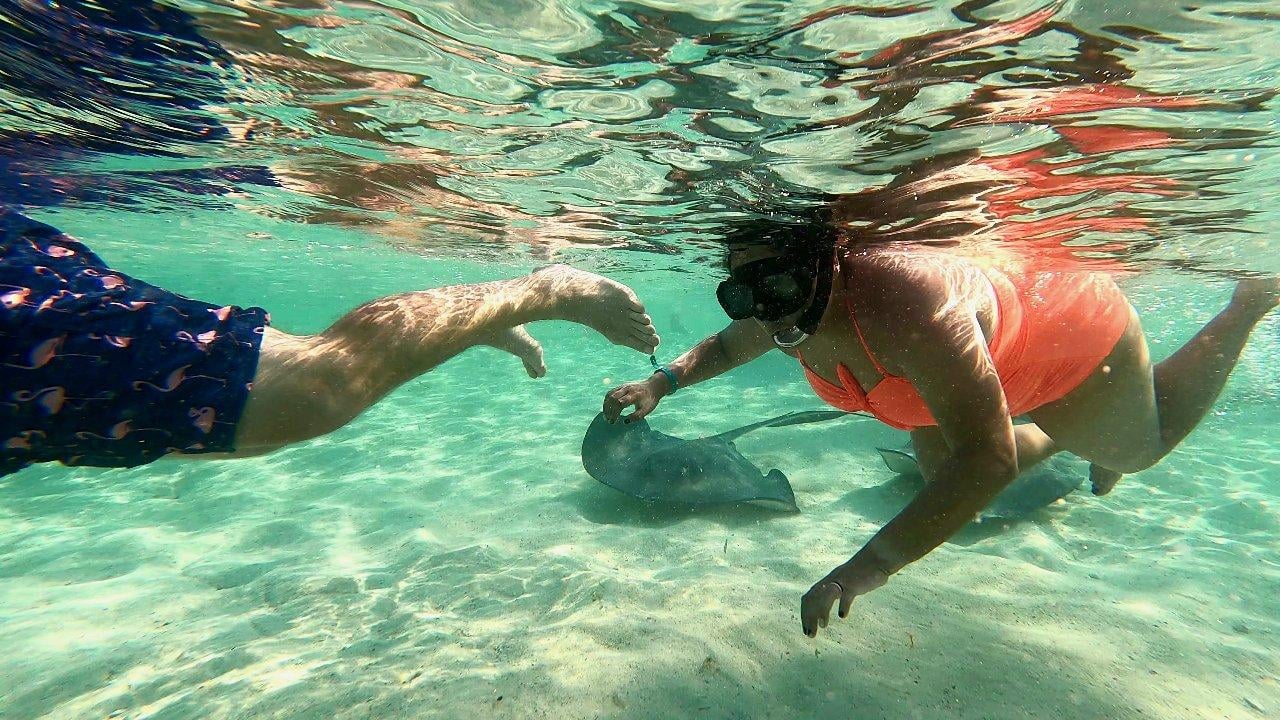
Bimini 4-Stop Snorkeling Adventure
Swim with reef sharks, explore historic wrecks, and meet stingrays on this action-packed ocean tour
Reserve

Hand-picked by our editors — only the best 5 excursions from 12 reviewed.
Verified partners for every tour, free cancellation where available, and instant confirmation on every booking.
3 hr
Swim with reef sharks, explore historic wrecks, and meet stingrays on this action-packed ocean tour
Reserve
Explore themed zones inspired by colonial exploration, enjoy thrilling rides, live shows, and optional water park fun in Seville.
Reserve
18 hr
Sail to the Bahamas for a full day of island exploration, watersports, and Caribbean relaxation
ReservePrices from verified partners. Availability updates in real time at checkout. Free cancellation policies apply where shown.
The landmarks, rooms, and views travelers on this tour remember — all visible on a single visit.
This historic concrete ship wreck lies in shallow water and acts as an artificial reef, hosting numerous species of fish.
These unique underwater limestone blocks are a major subject of local intrigue and historical study.
These vibrant coral formations are a reliable location for spotting green sea turtles in the wild.
A shipwreck that washed ashore in the 1990s, now partially visible and a unique spot for marine observation.
A shallow reef known for high coral diversity and dense schools of colorful tropical fish.
They complement each other; most visitors who do both call the SS Sapona the more thrilling historic site while bimini snorkeling excursions tours offer the most relaxed marine life encounters.
| Feature | Top pick Bimini Snorkeling Excursions | SS Sapona Snorkeling |
|---|---|---|
Experience Type |
Natural Reef Tour | Shipwreck Exploration |
Primary Underwater Features |
Coral and Marine Life | Concrete Hull and Fish |
Required Skill Level |
Beginner Friendly | Intermediate due to Currents |
Vessel Access |
Boat-based Access | Boat-based Access |
Depth Range |
10–20 Feet | 15–25 Feet |
| See tickets → |
Verdict: Choose bimini snorkeling excursions tickets for calm biodiversity or the shipwreck for a unique maritime history experience that requires bimini snorkeling excursions tour operators for safe navigation.
Choose your ticket, select your date, and reserve in under two minutes. Secure checkout handled by our verified partner.
Instant confirmation by email, with a mobile voucher you can save offline. No printing, no queuing at a collection desk.
Arrive at the entrance, show your voucher on your phone, and walk in. Most tickets include priority or skip-the-line access.
Practical details for your visit straight from our verified partners — hours, access, rules, and how to get there.
North Bimini, Bahamas
Follow signs for specific tour operators
Local taxis operate across North Bimini and provide transport to major docks.
Many accommodations are within walking distance of the docks on North Bimini.
Participants on bimini snorkeling excursions should wear swimwear and bring sun-protective clothing. A hat and sunglasses are recommended for time spent on deck.
Keep belongings minimal when joining bimini snorkeling excursions tours. Use a dry bag to protect electronics from salt spray and water.
Underwater cameras are ideal for capturing marine life during your bimini snorkeling excursions. Ensure your device is secured with a wrist strap.
Access to vessels used for bimini snorkeling excursions can be challenging for those with limited mobility. Check with individual operators regarding boat boarding requirements.
Many providers of bimini snorkeling excursions cater to families with children. Confirm age restrictions with your chosen operator before booking your bimini snorkeling excursions tickets.
While some bimini snorkeling excursions provide light snacks and water, guests are advised to bring personal refreshments. Proper hydration is important in the tropical climate.
Best time to go, insider tips, nearby landmarks, and the cancellation fine print — flip through to skim what matters to you.
How crowds, weather, and events shift across the year.
March to May offers pleasant temperatures and clear waters for bimini snorkeling excursions tours.
June to August is warm, perfect for swimming, though visitors should monitor local weather.
September to November can be humid; morning hours provide the best conditions for a bimini snorkeling excursions tour.
December to February sees cooler air but maintains active marine life in protected reefs.
Small details that turn a good visit into a great one.
Monitor local weather forecasts to ensure 08:00–11:00 arrival times for optimal visibility.
Apply reef-safe sunscreen at least 20 minutes before entering the water.
Inspect your snorkel mask and fins provided by the operator before leaving the dock.
Avoid touching or standing on coral reefs during your visit.
Drink plenty of water before and after your time in the ocean.
Non-bookable sights within a short walk — free to visit, easy to pair.
A historic concrete ship wreck located in shallow waters that serves as a popular snorkeling site.
An underwater rock formation often associated with local legends of the lost city of Atlantis.
A series of coral reefs known for frequent sea turtle sightings in their natural habitat.
A quiet public beach ideal for relaxing after completing your island water activities.
Flexible, no hidden fees.
Tour operators for bimini snorkeling excursions typically require cancellation 24 to 48 hours in advance for a full refund. As there is a 0 USD entrance fee for public waters, fees paid pertain only to the excursion service.
Hand-picked options within walking distance — pick a district for vibe, or a specific hotel for convenience.
Full-service resort with marina access
Iconic historic hotel near the harbor
Traditional island lodging options
North Bimini sits fifty miles east of Miami across the Gulf Stream, where the continental shelf drops into cobalt and the warm shallows hold visibility exceeding one hundred feet on calm mornings. The island's surrounding reefs and wrecks have drawn divers since the 1920s, when rumrunners scuttled boats in the sand and sport fishermen discovered hammerhead nurseries in the lagoons. Today those same sites anchor a marine tourism economy built on the clarity of Bahamian water and the density of life it supports. Bimini snorkeling excursions operate year-round from North Bimini, with most vessels departing between eight and eleven in the morning to capture the calmest surface conditions. The reefs themselves are coral formations dating to the Holocene, their growth shaped by the Gulf Stream's nutrient flow and the island's position at the edge of the Great Bahama Bank. Elkhorn and staghorn corals dominate the shallow platforms, interspersed with brain coral heads and gorgonians that sway in the current. Sergeant majors, blue tangs, and parrotfish school above the coral, while Nassau groupers and spotted eagle rays patrol the sand channels between patches. The wrecks add vertical relief to otherwise flat topography. Several are deliberate sinkings from the mid-twentieth century, placed to create artificial reefs that now host sponges, anemones, and reef sharks. The most accessible lie in twelve to twenty feet of water, close enough to shore that surface swimmers can reach them without extended crossings. Charter operators favor these sites for their shelter from open-ocean swells and their concentration of species. Public waters around Bimini remain free to access, though nearly all visitors join operator-led trips that provide transport, equipment, and reef knowledge. The island's compact size means travel time from dock to dive site rarely exceeds twenty minutes, leaving longer windows for in-water observation. Multi-stop itineraries typically include three to four sites per outing, rotating between reef flats, wreck descents, and sandbar shallows where southern stingrays bury themselves in the substrate. Morning light penetrates the water column most effectively, rendering colors accurately and allowing snorkelers to distinguish coral polyps and fish markings at distance. Bimini snorkeling tours operate as both standalone half-day charters and components of broader island-hopping itineraries that ferry passengers from Florida ports. The standardization of equipment—masks, fins, flotation vests—and the redundancy of safety protocols reflect decades of commercial marine tourism refinement. What remains variable is the water itself, which shifts visibility and current strength with each tidal cycle and weather front.
"The reefs themselves are coral formations dating to the Holocene, their growth shaped by the Gulf Stream's nutrient flow."
A step-by-step walkthrough of the visit — what you'll see, how long each stage takes, and the details that matter.
You board at North Bimini's main dock between eight and nine in the morning, stepping onto a center-console or catamaran that holds twelve to twenty passengers. The captain briefs you on hand signals and entry procedures as the vessel clears the harbor and accelerates east into open water. Within fifteen minutes you reach the first reef site, where the crew anchors and distributes masks and fins. You adjust your gear at the swim platform, then slide into water that holds at seventy-eight degrees even in winter. The reef appears immediately below you, its coral heads rising from a sandy bottom twelve feet down. You kick slowly across the formation, watching parrotfish scrape algae from the coral and sergeant majors dart between branches. The current is minimal, allowing you to hover above a single coral head and observe the ecosystem it supports—cleaner shrimp, juvenile grunts sheltering in crevices, a moray eel tucked into a hollow. After twenty minutes the crew signals the next site, a nearby wreck where the hull's curve creates an artificial cave. You descend along the wreckage, finning past encrusted railings and porthole frames now colonized by sponges and soft corals. A nurse shark rests on the sand beneath the hull's overhang, motionless except for the movement of its gills. You surface, return to the boat, and motor to a sandbar shallows where stingrays glide across the bottom. The water here is only six feet deep, warm and still, with sunlight refracting through the surface in rippling patterns. You float above the rays as they search for mollusks, their wings pulsing in slow rhythm. The return crossing takes twenty minutes, the boat slicing through water that shifts from turquoise to indigo as depth increases.
Bimini snorkeling excursions operate daily from 00:00–23:59. Each operator sets their specific departure schedule within these hours.
There is a 0 USD entrance fee to access public waters, though tour operators charge individual excursion fees.
The best arrival window is 08:00–11:00 to ensure calm waters and optimal visibility for snorkeling.
Age requirements for bimini snorkeling excursions vary by operator; confirm with your chosen provider prior to booking.
Yes, you are generally welcome to bring your own gear if you prefer, though high-quality equipment is standard on most excursions.
You can book your bimini snorkeling excursions tickets directly through the official tour operator platforms found on this page.
Photography is encouraged during your bimini snorkeling excursions; ensure your device is waterproof and secured.
In the event of inclement weather, operators typically offer a refund or rescheduling option per their cancellation policy.
Accessibility on vessels varies, so guests with mobility needs should contact their boat captain before departing for their bimini snorkeling excursions tour.
You can combine your visit with stops at landmarks like the SS Sapona or the famous Bimini Road.